
Guided activity
Just like in nature, at the Biodome
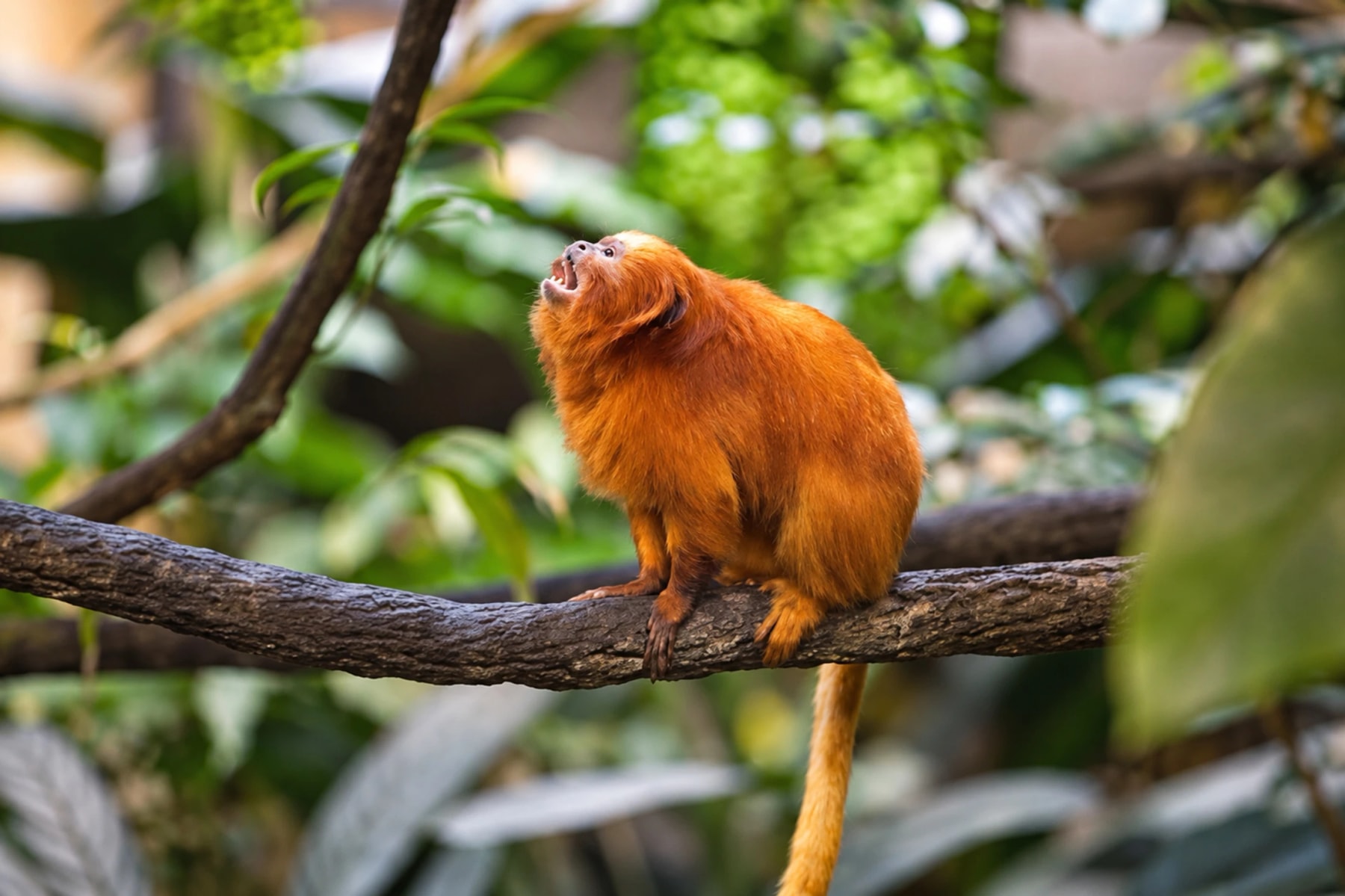
A golden lion tamarin (Leontopithecus rosalia) calls from a branch.
Espace pour la vie/Michel Côté
Observing animals in action
Expressing their own natural behaviours is vital for the well-being of animals in human care. Find out how the Biodôme encourages these behaviours. Various techniques are used, such as adding objects and scents to their habitat, making a change to their environment and carrying out special (biomedical) training as prescribed by the veterinarian.
In this guided activity , a science educator will explain the program’s methods and their effects on the animals. You’ll also learn about the animal’s natural history, its interactions with the ecosystem and its living conditions in captivity and in the wild.
Enrichment activities take place at set times throughout the day. Below is the current schedule , also available on our mobile app:
Tropical Rainforest
- 10:45 a.m. | Golden lion tamarin
- 11:30 a.m. | Tropical fish
- 11:45 a.m. | Macaws
- 2:30 p.m. | Capybara
Gulf of St. Lawrence
- 11:15 a.m. | Sea ducks (Tuesday, Thursday, Saturday and Sunday)
- 1:45 p.m. | Fish (Tuesday, Thursday, Saturday and Sunday)
Laurentian Maple Forest
- 12:15 p.m. | Otters
- 2:15 p.m. | Raccoon
Services offered at the Biodôme
Families and people with disabilities or specific needs have access to a range of services during their visit to the Biodôme. Explore the services available, from wheelchair loans to changing rooms and lockers, along with other solutions designed to make your visit easier.
View services
- Wheelchair loans
- Pre-visit planning guide and sensory kit
- Dining areas and gift shop
- Stroller loan
- Changing tables and nursing rooms
- Lockers ($)
Getting here
Learn more
You may also like
-7e96f849.jpg&w=1800&q=90)
Biodôme
Alcids and the Labrador Coast
Biodôme
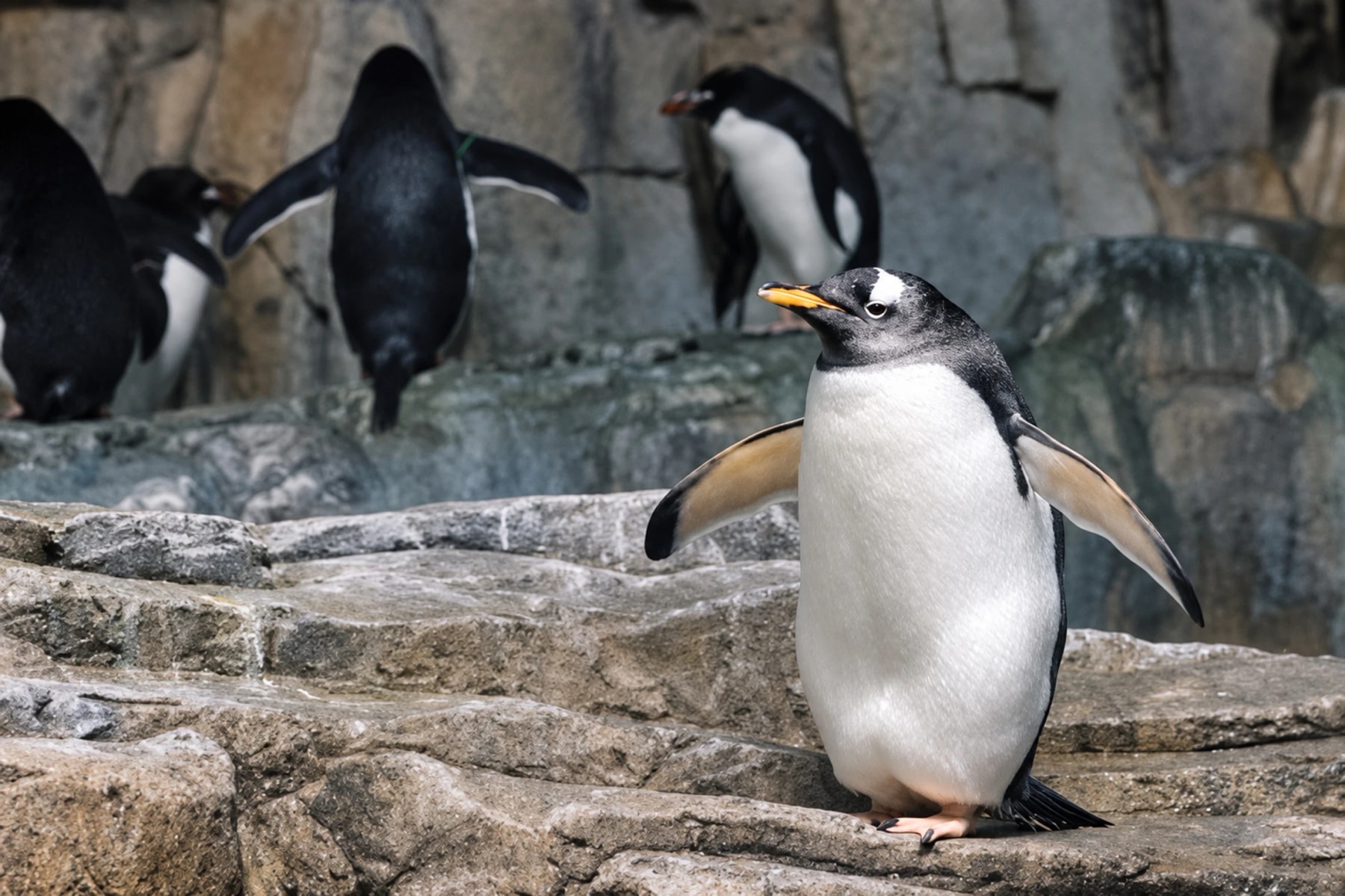
Penguin feeding time at the Biodome
Biodôme
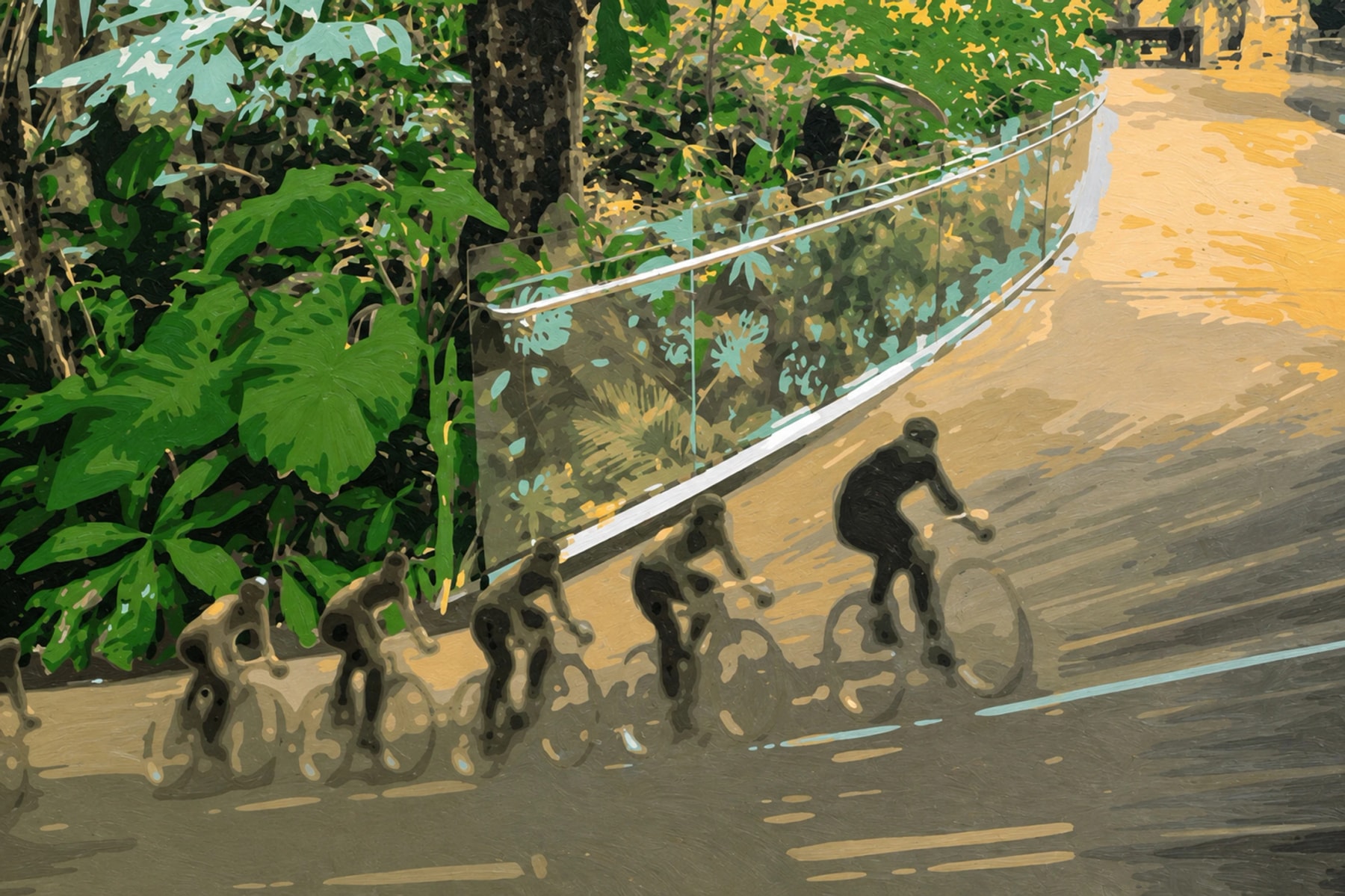
From the Velodrome to the Biodome: 50 Years of Olympic Legacy
Biodôme
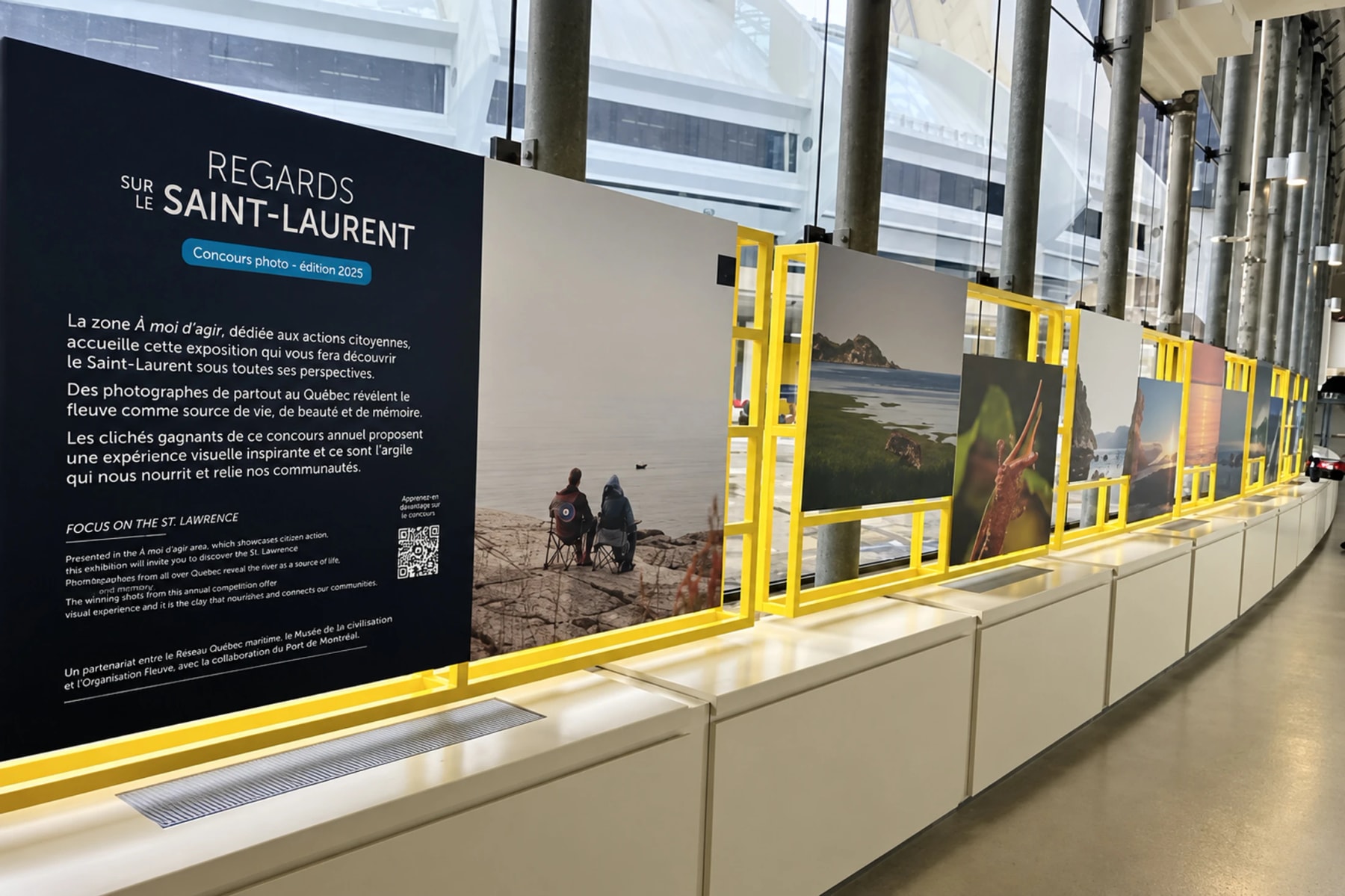
Focus on the St. Lawrence